




















Case Study – Industrial Clean-Up Farmland
CHALLENGE
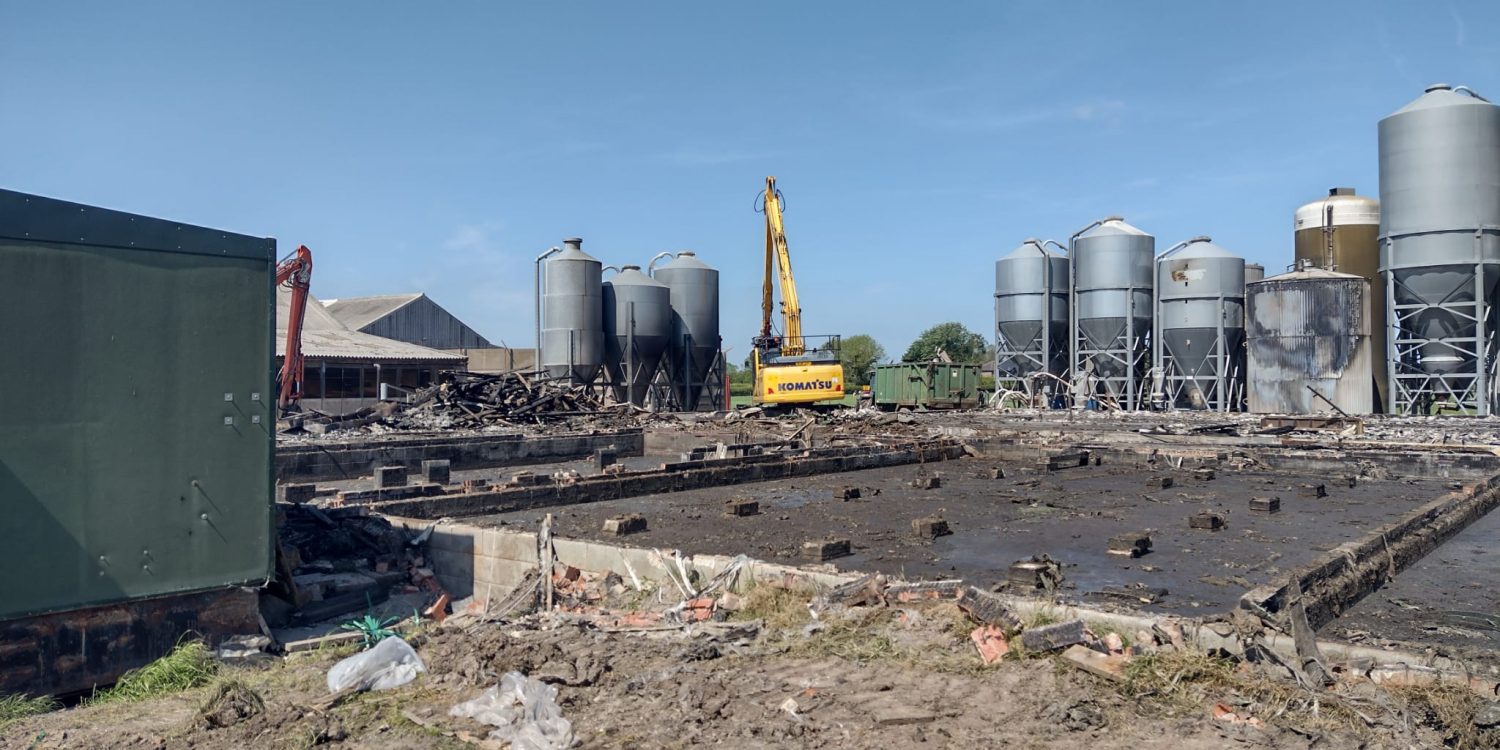
As a result of the fire: -
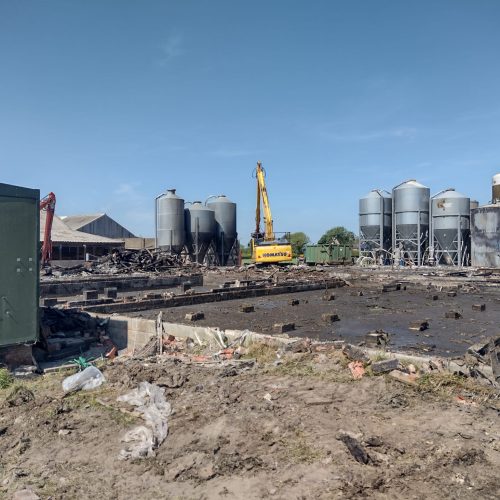
- Contaminated Fields: Around 8 acres of farmland were covered in silicon flakes spread by the wind.
- Damaged Crops: Hay that had been cut and baled was rendered unusable and required incineration (70–80 tonnes).
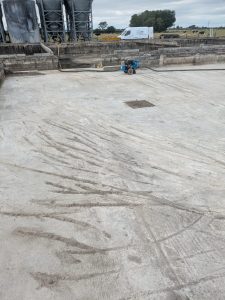
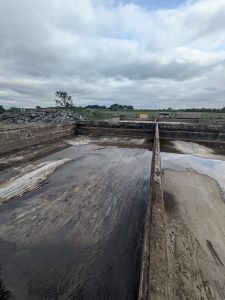
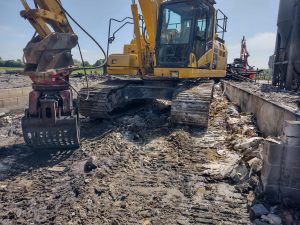
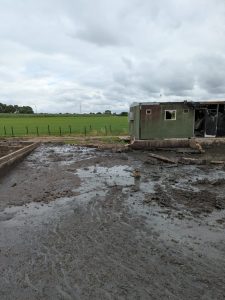
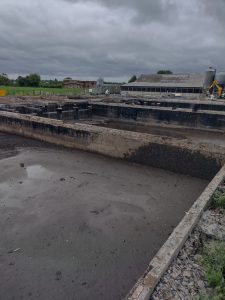
- Burnt Materials: Remains from destroyed buildings, plastics, wood, and cement fibers mixed with slurry in pits.
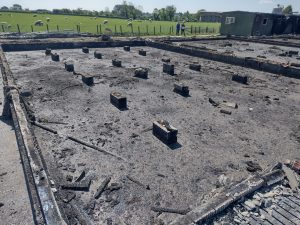
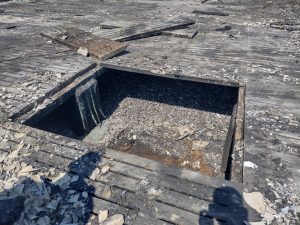
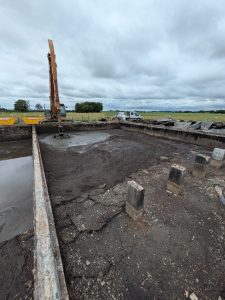
- Slurry Pit Contamination: Debris from roof, floor, and surrounding structures combined with manure, creating a complex end-of-life waste problem.
- Damaged Feed: 15–20 tonnes of livestock feed were destroyed and had to be disposed of.
- Animal By-Product Risk: The possibility of animal by-products being present required specific waste codes and disposal methods.
SOLUTION
The information was gathered in various ways including phone calls, websites, teams meeting etc. This is not achievable during one conversation, and information developed during multiple correspondence forms.
- Hay Disposal
- Located a suitable facility for incineration of contaminated hay.
- Arranged haulage for 70–80 tonnes of bales.
- Burnt Material Removal
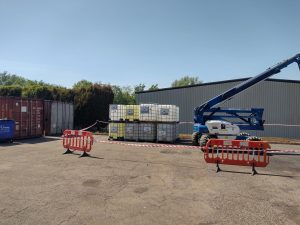
- Sourced and provided skips for debris from the site and materials extracted from slurry pits.
- Slurry Pit Remediation
- Tankers were used to remove the wettest slurry.
- Debris removed and sent for end-of-life disposal.
- Identified suitable disposal points to manage potential animal by-product contamination.
- Manure Extraction & Processing
- Manure was too wet for grab lorries/skips and too thick for tankers.
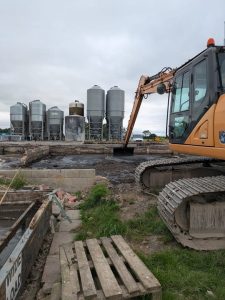
- Covered tippers plus a 21-tonne excavator were used to extract material.
- Transported manure for screening and debris removal to enable reuse.
- Damaged Feed Disposal
- 15–20 tonnes of damaged, unusable feed removed from site.
RESULTS
- Safe, compliant removal of all contaminated materials.
- 70–80 tonnes of hay, 15–20 tonnes of damaged feed, and multiple loads of debris removed.
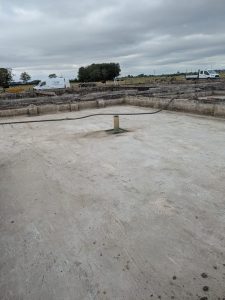
- Slurry pits cleared, with manure recovered for reuse where possible.
- Environmental and agricultural hazards mitigated.